
May 8, 2026
Articles
From scrolling to intent: what early careers attraction looks like after the ban
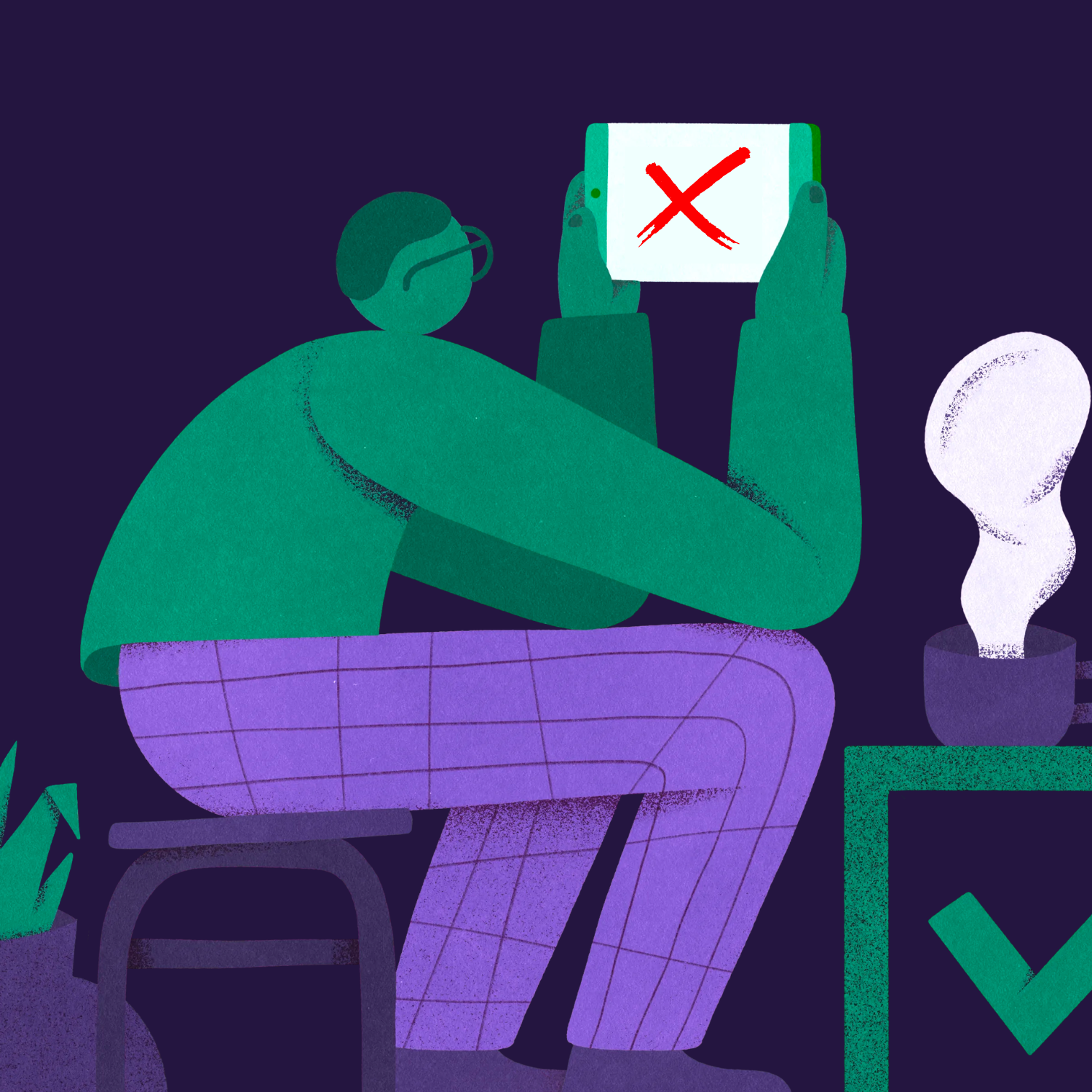
The UK government just announced it will ban social media for under-16s. Snapchat, TikTok, YouTube, Instagram, Facebook and X are all in scope. The target date is early 2027, with legislation expected before Parliament before Christmas.
You might be reading this and thinking: this is a child protection issue, not a recruitment one, but the knock on effect for employers is significant. For early careers professionals, employer brand teams, and anyone responsible for building a pipeline from schools and colleges, this change is going to land right in the middle of your attraction strategy.
How most early talent attraction actually works right now
Think about where your employer brand content lives. Those apprenticeship teasers. The "day in the life" reels. The careers fair call-outs. The student video testimonials & office tours. Most of it sits on social media, seen by young people as part of their everyday scroll.
The government's stated intent is "less time for scrolling and more time for play." What it will also create, unintentionally, is a gap between your employer brand and the young people you most want to reach.
We’re not here to comment about how this will be enforced, whether it will create the positive change for young people that we hope it will but rather to remind you that there is another way to connect with these young people, in safe and moderated spaces designed to deliver relevant careers content – without the addictive patterns & advertising.
A safe, purposeful alternative already exists
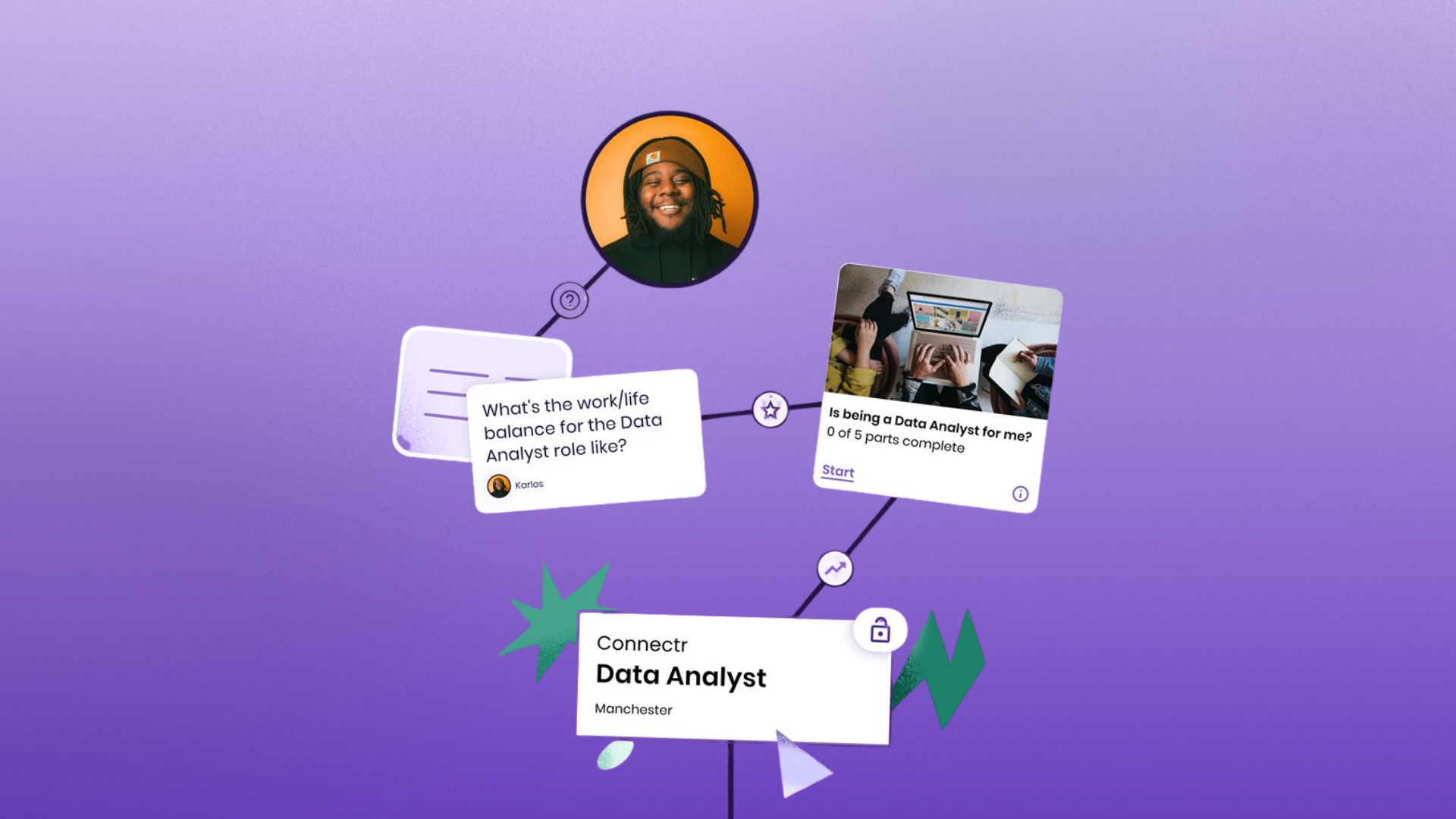
Several of the UK's leading employers have already built branded candidate experience platforms that work specifically for this audience using Connectr. These platforms are designed from the ground up for early talent, with safeguarding built in, moderated conversations and advocacy with real employees (vetted & invited to represent the company, by the company), and age-appropriate content journeys (including the video formats that resonate most with young people).
For example, BDO's platform, BDO Hive, built with Connectr, engages students as early as age 13. It delivers tailored content for three age brackets and connects young people with BDO employees through one-to-one digital mentoring in a fully moderated and safeguarded environment. On average, users spend 4.5 hours on the platform across the course of several months and 70% said it improved their perception of BDO as an employer.
GSK's Get Ahead platform does something similar. One in four users has had a direct conversation with a GSK colleague. Over 10,000 messages have been exchanged on the platform through the built-in chat feature. And over a third of GSK's successful early talent hires had engaged with the platform before they applied. The content experience is curated, inclusive and designed with the age of the audience in mind.
What this means for how you build your attraction strategy
The social media ban reflects a collective recognition that unstructured, unsafe, algorithm-driven environments are not the right place for young people to explore their futures. Employers who have leveraged social channels for early careers attraction and conversion will need to think about how to close the gap this ban creates:
- Build a destination you own, leverage student-friendly and career oriented tech to build up brand presence, host content and create safe connections
- Building employer brand visibility in LLMs, students are already moving here, and this could soon be a major search and discovery channel
- Direct connections to schools will become even more important but creating a space for onward connection after in person interactions is crucial to turn those events into a pipeline for future talent
- Parents as influencers, not a new audience but now even more important, some employers are already building parent-facing content into their early talent platforms - BDO has parent personas
It’s crucial in all of this change, we remember the young people from lower-income backgrounds, first-generation university applicants, those without strong professional networks who may rely on social media to discover careers they wouldn't otherwise have encountered. A blanket ban risks reinforcing the advantage that already exists for young people whose parents work in the right industries or whose schools have strong employer partnerships. Employers who genuinely care about social mobility need to think about what fills that gap for those candidates specifically.
Early Careers
Turn your outreach into outcomes.
Keep talent engaged long after first contact. Effortlessly build an active early careers pipeline through a personalised candidate experience that delivers real-time insights.

Employer Brand
Activate your employer brand.
Tackle misconceptions and nurture awareness through authentic experiences, with a platform that tells you what’s working and what isn’t.

Talent Acquisition
Transform your recruitment strategy into a reality.
Build a best-in-class candidate experience that uncovers top talent and reduces time-to-hire without compromising on quality.

.jpeg)
Ready for more engaged candidates and better prepared hires?

